How Water-Cooled Tuyeres Help Protect Furnace Performance
Tuyeres take a beating. They sit at the point where air or oxygen is injected directly into a furnace, right at the interface with some of the highest temperatures and most chemically aggressive conditions in the whole process. If that component fails, it's not a minor fix — it's unplanned downtime on a furnace that's expensive to bring back online. Water cooling is what keeps tuyeres in service instead of burning out.
Why Tuyeres Take the Hardest Hit
A tuyere isn't just exposed to furnace heat — it's exposed to it continuously, at close range, while also handling the erosive and corrosive effects of the material and gases moving through it. Thermal cycling adds another layer of stress: repeated heating and cooling fatigues metal over time, even metal designed for high-temperature service.
Without effective cooling, that combination shortens tuyere life significantly and increases the odds of a failure that forces an unscheduled shutdown.
What Water Cooling Actually Does
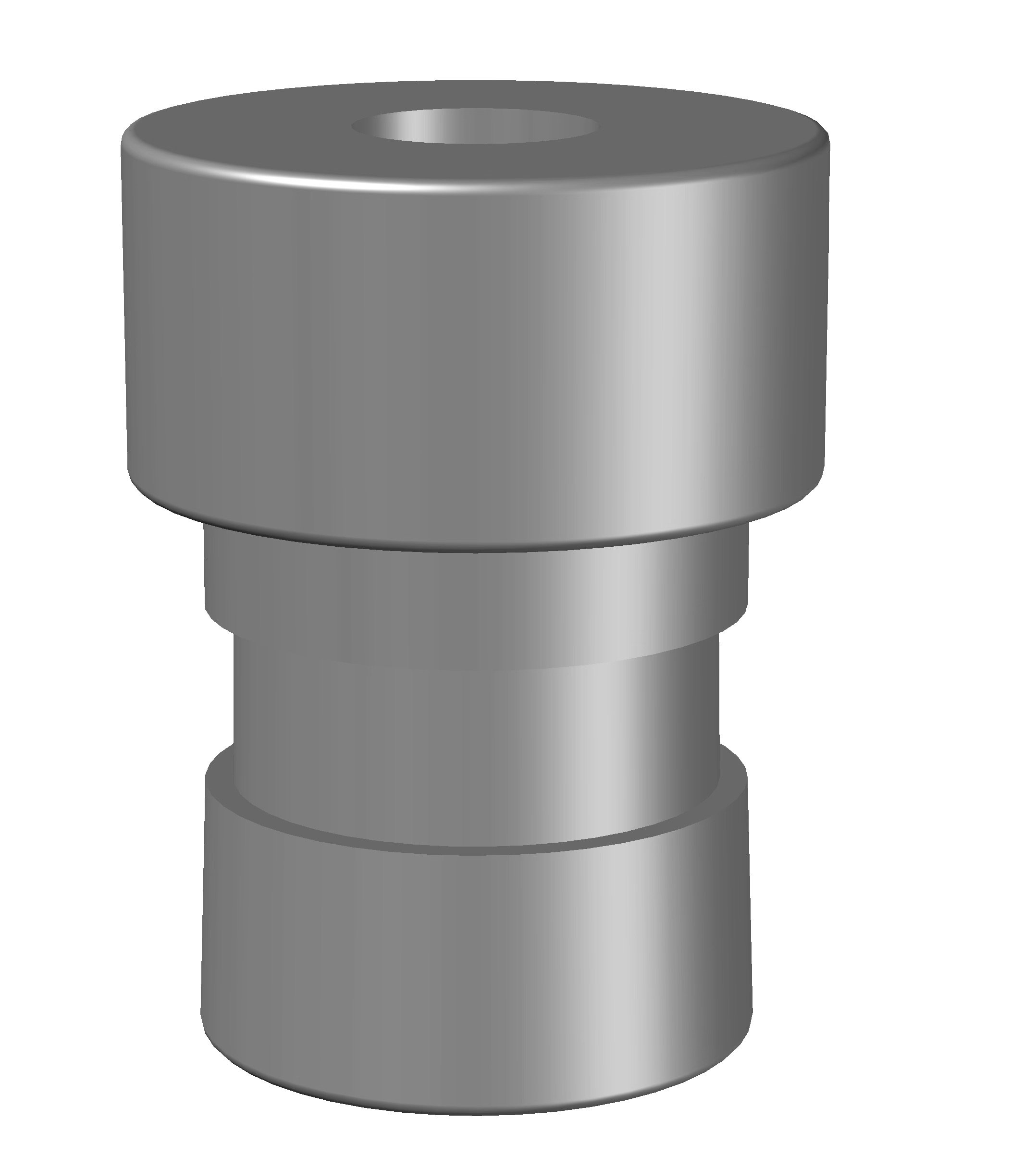
Water-cooled tuyeres circulate water through or around the component to pull heat away continuously, keeping the metal at a temperature it can actually withstand long-term. This does a few things for furnace performance:
Extends component life. Keeping the metal below its failure threshold reduces wear from thermal fatigue and erosion.
Maintains consistent process conditions. A tuyere that's overheating doesn't perform the same way a properly cooled one does — cooling helps keep air/oxygen delivery consistent.
Reduces the risk of catastrophic failure. A tuyere breach mid-run is a serious safety and downtime event. Reliable cooling lowers that risk substantially.
Cooling Is a Performance Issue, Not Just a Protection Issue
It's easy to think of cooling purely as a way to prevent failure, but it also affects how consistently the furnace runs day to day. A tuyere that's running too hot doesn't just wear out faster — it can affect the process itself. Getting the cooling system right is as much about performance and consistency as it is about avoiding a breakdown.
If your furnace's tuyeres are underperforming or wearing faster than expected, cooling design is one of the first places worth a closer look.