When Should You Replace Rabble Arms or Rabble Teeth?
Your multiple hearth furnace is only as reliable as the components doing the hardest work. Here's how to know when it's time.
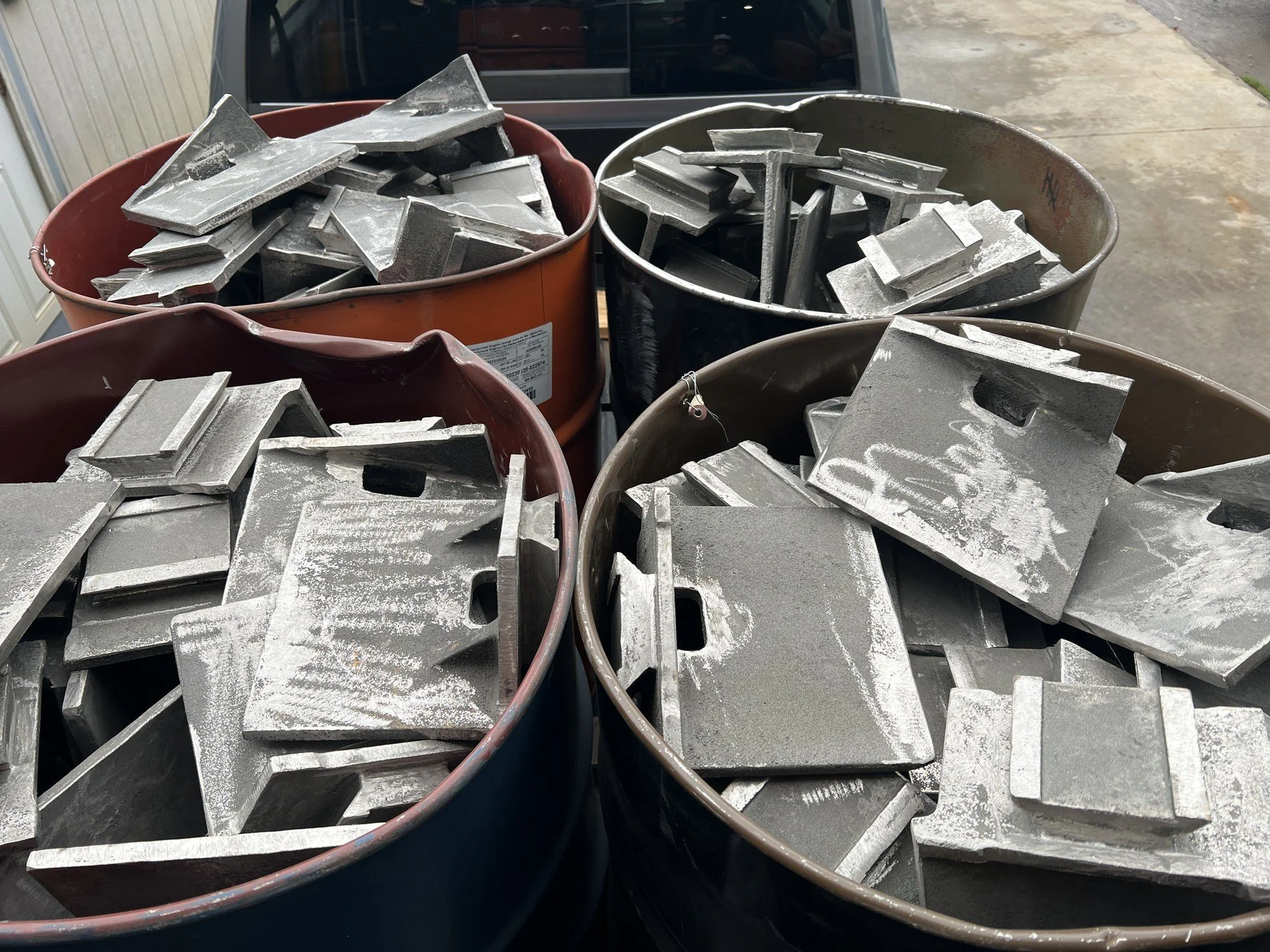
Rabble arms and rabble teeth are the workhorses of the multiple hearth furnace. Rotating through extreme heat, abrasive material, and constant mechanical stress, these components keep your process moving — literally. But because wear happens gradually, it's easy to keep running equipment past the point where replacement would have saved you significant money and downtime.
Knowing when to replace rabble arms and rabble teeth isn't guesswork. There are clear indicators to watch for, and a proactive approach to replacement will always outperform reactive maintenance when it comes to protecting your furnace and your operation.
What Rabble Arms and Rabble Teeth Actually Do
Before diving into replacement indicators, it's worth being clear about the role these components play.
In a multiple hearth furnace, material is fed onto the top hearth and worked progressively downward through a series of hearths by rotating rabble arms. The rabble teeth — the angled plow-like projections extending from each arm — contact the material directly, churning and moving it across each hearth in a spiral pattern before it drops to the next level below.
This means rabble teeth are in continuous, direct contact with hot, abrasive process material. They operate at elevated temperatures, absorb mechanical shock, resist oxidation, and endure thermal cycling — all simultaneously. Rabble arms carry the structural load and transmit the drive torque that makes this movement possible.
Both components are sacrificial by design. The question isn't whether they'll wear — it's whether you catch the wear at the right time.
Signs It's Time to Replace Rabble Teeth
1. Visible Wear Beyond Acceptable Limits
Rabble teeth are designed with a specific geometry that optimizes material movement. As the teeth wear, that geometry degrades. When tooth height or profile has diminished significantly — generally considered to be a loss of one-third or more of original tooth dimension — material handling efficiency drops, and the remaining material is working harder to do less.
Regular dimensional inspection during scheduled outages is the most reliable way to track this. Comparing current measurements against original specifications tells you exactly where you stand.
2. Uneven or Poor Material Movement
If you're seeing material not progressing properly across hearths — piling in areas, failing to drop at the correct point, or showing inconsistent residence time — worn or damaged rabble teeth are a primary suspect. Compromised tooth geometry can't move material the way the process requires, leading to uneven treatment and reduced product quality.
3. Cracking, Spalling, or Surface Degradation
High-alloy castings operating in thermal cycling environments are susceptible to surface cracking and spalling over time. Minor surface cracking can be monitored, but cracks that have propagated through a significant portion of the tooth cross-section represent a fracture risk. A tooth that breaks off in service creates a foreign object problem inside your furnace that causes far more damage than a planned replacement would have.
4. Oxidation Scaling Through the Full Wall Thickness
Surface oxidation is expected. But when oxidation scaling has progressed through the bulk of the tooth's cross-section, structural integrity is compromised. At this point the tooth is more scale than sound metal, and replacement is overdue.
5. Process Temperature Excursions
If your furnace has experienced uncontrolled temperature excursions — particularly if temperatures exceeded the alloy's rated service range — inspect rabble teeth carefully afterward even if they appear intact. Thermal shock and overtemperature exposure can cause internal damage that isn't immediately visible but will accelerate failure under continued service.
Signs It's Time to Replace Rabble Arms
1. Measurable Deflection or Bowing
Rabble arms should be straight. If an arm has developed a permanent bow or deflection — caused by thermal creep under sustained high-temperature load — it will not track correctly through the hearth. This misalignment causes uneven tooth wear, inconsistent material movement, and potential contact with hearth surfaces or furnace walls.
2. Cracking at High-Stress Locations
The most common failure initiation points on rabble arms are at the junction between the arm and the central shaft connection, and at the tooth attachment points. These areas experience the highest stress concentration. Cracking at these locations warrants immediate attention — a rabble arm failure mid-campaign is a serious event that can require a full furnace shutdown and potentially damage adjacent components.
3. Oxidation or Wall Thinning
Oxidation reduces the effective cross-sectional area of the arm, weakening it structurally. If wall thickness measurements during inspection show thinning beyond acceptable tolerances, the arm's load-carrying capacity has been compromised. This is particularly important in arms that carry multiple teeth — the load demand on a weakened arm doesn't decrease just because the material has.
4. Corrosion from Process Chemistry
Depending on what your furnace is processing, chemical attack from process gases or materials can degrade alloy performance beyond what temperature alone would cause. If your process chemistry has changed, or if you're seeing corrosion patterns inconsistent with normal oxidation, investigate whether your current alloy specification is still appropriate.
5. History of Repeated Tooth Loss from the Same Arm
If you're replacing teeth on a specific arm more frequently than others, the arm itself may be the root cause. Alignment problems, improper loading, or a subtly compromised arm geometry can accelerate tooth wear and loss well beyond what the rest of the furnace is experiencing.
The Cost of Waiting Too Long
The temptation is always to run components until they give obvious signs of failure. In a multiple hearth furnace, that calculus rarely works in your favor.
A broken rabble tooth inside an operating furnace isn't just a lost tooth — it's a potential chain of consequences: hearth damage, damage to adjacent arms and teeth, plugging of drop holes, and the emergency shutdown that follows. Emergency replacements mean expedited lead times, unplanned labor costs, and lost production during a repair window that could have been a planned, efficient maintenance outage.
Rabble arms that fail suddenly can cause even more extensive damage — to the central shaft, to the hearth, and to surrounding structure — turning what would have been a manageable replacement into a significant repair campaign.
Planned replacement, based on actual condition assessment, is almost always the lower-cost path.
Establishing a Replacement Program That Works
The most effective approach to rabble arm and rabble tooth management combines scheduled inspection with condition-based replacement decisions:
Establish baseline measurements at installation or after a known-good rebuild, so you have accurate reference data to compare against.
Inspect dimensionally at every planned outage. Don't rely on visual inspection alone — measure tooth height, arm straightness, and wall thickness where accessible.
Track wear rates over time. If you know how fast your teeth wear under normal operating conditions, you can project remaining service life and plan replacements accordingly rather than being surprised.
Document process upsets. Temperature excursions, feed rate changes, and chemistry variations all affect wear rates. Correlating these events with inspection findings helps you understand your actual operating envelope.
Work with a supplier who understands your alloy requirements. Not all rabble arms and teeth are the same. The alloy specification matters enormously for service life, and a supplier with multiple hearth furnace expertise can help you match the casting to your specific operating conditions.
ThermaFab: Built for the Conditions That Wear Everything Else Out
At ThermaFab, we manufacture rabble arms and rabble teeth to the dimensional and metallurgical standards that multiple hearth furnace performance demands. Whether you need a direct replacement for existing components or are looking to upgrade alloy specifications for improved service life, our team can help you find the right solution.
Don't wait for a failure to tell you it was time. Contact ThermaFab to discuss your rabble arm and rabble tooth requirements.